The Impact of Weather Conditions on Truck Performance
Weather conditions play a crucial role in the performance and longevity of trucks. From extreme heat to frigid cold, different climates present unique challenges that can affect various truck components, including engines, tires, and electrical systems. For truck owners and operators, understanding these impacts is essential for effective vehicle maintenance and ensuring safe, efficient operation.
Weather Impact on Truck Performance
Weather conditions significantly influence the performance and longevity of trucks, making it essential for truck owners and operators to be well-versed in these impacts to ensure optimal maintenance and operation. A comprehensive understanding of how different weather conditions affect truck performance enables operators to take preventive measures and adapt their driving and maintenance practices accordingly.
Understanding how different weather conditions affect various truck components, from engines to tires, is vital for maintaining truck performance and ensuring the safety of the vehicle and its operator. By taking proactive measures and adapting to the challenges presented by diverse weather conditions, truck owners and operators can enhance their vehicles' longevity and reliability.
Effects of Extreme Heat on Trucks
Extreme heat can pose several challenges for trucks, particularly in desert climates like Las Vegas. High temperatures can strain engine performance and cooling systems, potentially leading to overheating. Overheated engines may suffer from reduced efficiency and, in severe cases, engine failure.
Tires are also affected by
extreme heat. High temperatures can increase tire pressure, leading to overinflation and a higher risk of blowouts. The heat can accelerate tire wear, reducing their lifespan.
The battery life and electrical systems of trucks are not immune to the effects of extreme heat. High temperatures can cause batteries to lose their charge more quickly and can damage electrical components, leading to potential failures and increased maintenance costs.
Effects of Extreme Cold on Trucks
Cold weather presents a different set of challenges, particularly in regions like Kingman. One of the primary issues is the difficulty in starting and operating the engine. Cold temperatures can cause the oil to thicken, making it harder for the engine to turn over and start.
Fuel systems can also suffer in cold weather. Diesel fuel, in particular, can gel in low temperatures, clogging fuel lines and filters, which can prevent the engine from running smoothly.
Tire traction and durability are additional concerns in cold weather.
Cold temperatures can cause tires to lose their flexibility, reducing traction and increasing the risk of accidents. Cold weather can negatively affect battery performance, making it harder to start the truck and maintain electrical systems.
Preventive Measures for Hot Weather Conditions
Regular maintenance is essential to mitigate the effects of hot weather on trucks. Checking and maintaining coolant levels can prevent overheating and ensure the engine runs efficiently. Proper tire inflation and regular monitoring can help avoid blowouts and extend tire life.
Battery maintenance is also critical in hot weather. Regular checks can ensure the battery is in good condition and prevent unexpected failures. Using sunshades and other protective measures can help keep the truck's interior cooler, reducing the strain on electrical systems.
Preventive Measures for Cold Weather Conditions
For cold weather, engine block heaters can be beneficial. These devices warm the engine, making it easier to start in low temperatures. Using winter-grade oils and fluids can also help maintain engine performance by ensuring the oil remains fluid in cold conditions.
Tire maintenance is crucial in cold weather. Using winter tires can improve traction and safety on icy roads. Insulating the battery and performing regular maintenance checks can help ensure it performs well in cold temperatures.
Importance of Regular Maintenance
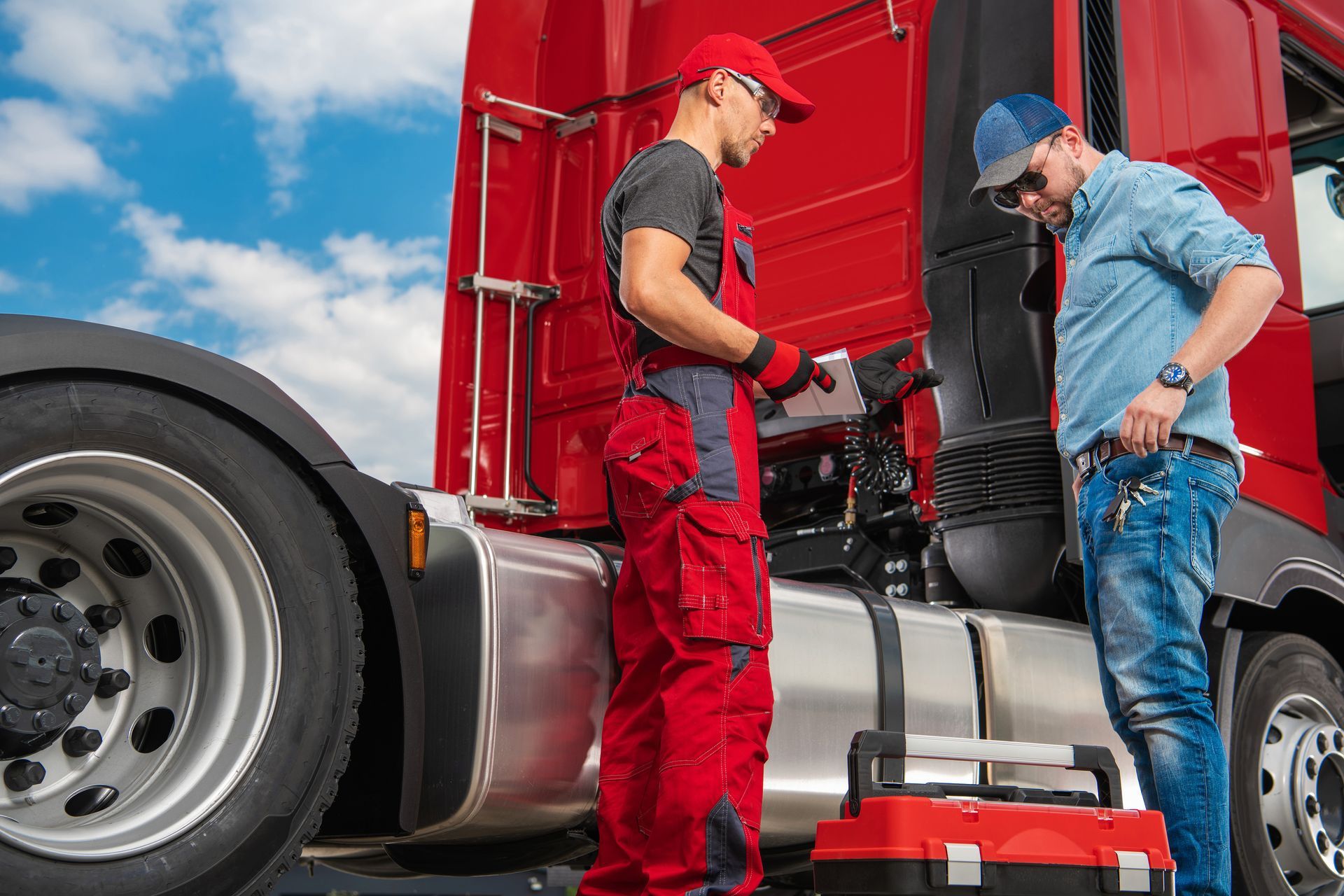
Maintaining optimal truck performance, particularly in varying weather conditions, necessitates a commitment to regular maintenance. Routine inspections and timely repairs are critical to ensuring that trucks remain in peak operating condition and are capable of handling the challenges posed by different weather environments. Professional servicing not only addresses immediate repair needs but also provides comprehensive checks and preventive maintenance that safeguard the vehicle's long-term health and reliability.
Regular maintenance routines involve a thorough inspection of various truck components, including the engine, transmission, brakes, tires, suspension, and electrical systems. These inspections help identify wear and tear, potential failures, and areas requiring lubrication or replacement. By catching issues early, operators can avoid unexpected breakdowns and costly repairs, which can be especially inconvenient and dangerous in extreme weather conditions.
Routine maintenance helps preserve the truck's value and extend its lifespan. A well-maintained truck not only performs better but also retains its resale value. Regular upkeep ensures that the truck remains compliant with safety standards and regulations, which is crucial for avoiding fines and maintaining a good operational record.
The significance of regular maintenance cannot be overstated. By committing to routine inspections and timely repairs, and leveraging the expertise of professional servicing, truck owners and operators can ensure that their vehicles are always ready to face the demands of any weather condition. Adhering to a seasonal maintenance schedule allows for proactive management of weather-specific issues, ultimately prolonging the truck's life and maintaining its performance and reliability.
Local Considerations and Resources
Local weather patterns in Las Vegas and Kingman should be considered when planning truck maintenance. In Las Vegas, the extreme heat requires regular coolant checks and tire monitoring. In Kingman, the cold weather necessitates the use of engine block heaters and winter tires.
Several resources and services are available in these areas to help with truck maintenance. Local truck parts retailers, such as Legacy Truck Parts, offer a wide range of aftermarket parts to keep trucks in optimal condition. Community and industry support can also provide valuable advice and assistance.
Future Trends and Technologies
Emerging technologies are continually improving the weather resistance of truck parts. Advances in materials and design are leading to more durable and efficient components. Telematics and IoT technologies are also playing a significant role in monitoring and adapting to weather conditions. These systems can provide real-time data on vehicle performance, allowing for proactive maintenance and reducing the risk of weather-related issues.
In the future, we can expect further advancements in truck performance, with more resilient materials and smarter systems that can adapt to varying climates. These innovations will help ensure that trucks can operate efficiently and safely, regardless of the weather conditions they face.
Weather conditions undeniably impact truck performance and longevity. Whether dealing with extreme heat or cold, truck owners and operators must understand these effects and take preventive measures to mitigate them. Regular maintenance, appropriate seasonal preparations, and leveraging emerging technologies are key strategies for ensuring trucks operate efficiently and safely in all weather conditions. By staying proactive, truck operators can extend the lifespan of their vehicles and reduce the risk of weather-related issues.
For more information on how to maintain your truck in varying weather conditions or to find the best aftermarket parts,
contact Legacy Truck & Trailer Parts today. Our knowledgeable team is ready to assist you with all your truck maintenance needs.