Stocking Your Truck Parts Inventory: Essentials for Fleet Operators
For fleet operators, having the right truck parts available at the right time can make the difference between a quick repair and extended vehicle downtime. A well-managed inventory helps technicians complete routine maintenance efficiently, handle unexpected repairs, and keep trucks on the road.
The challenge is finding the right balance. Too little inventory can leave vehicles waiting for parts, while too much can consume valuable storage space and operating capital. A practical inventory strategy starts with understanding your fleet, identifying essential components, and establishing reliable sourcing practices.
Start With Your Fleet's Maintenance History
There is no universal parts inventory that works for every commercial fleet. Vehicle makes and models, mileage, routes, operating conditions, and maintenance schedules all influence what should be kept in stock.
Review maintenance records to identify the components your technicians replace most often. Pay particular attention to parts that have previously caused downtime when they weren't immediately available.
This allows fleet operators to build inventory around actual maintenance patterns instead of filling shelves with components that may rarely be needed.
Keep Routine Maintenance Parts Available
Preventive maintenance creates predictable demand, making common service components some of the easiest items to plan for.
Depending on your fleet, frequently stocked parts may include:
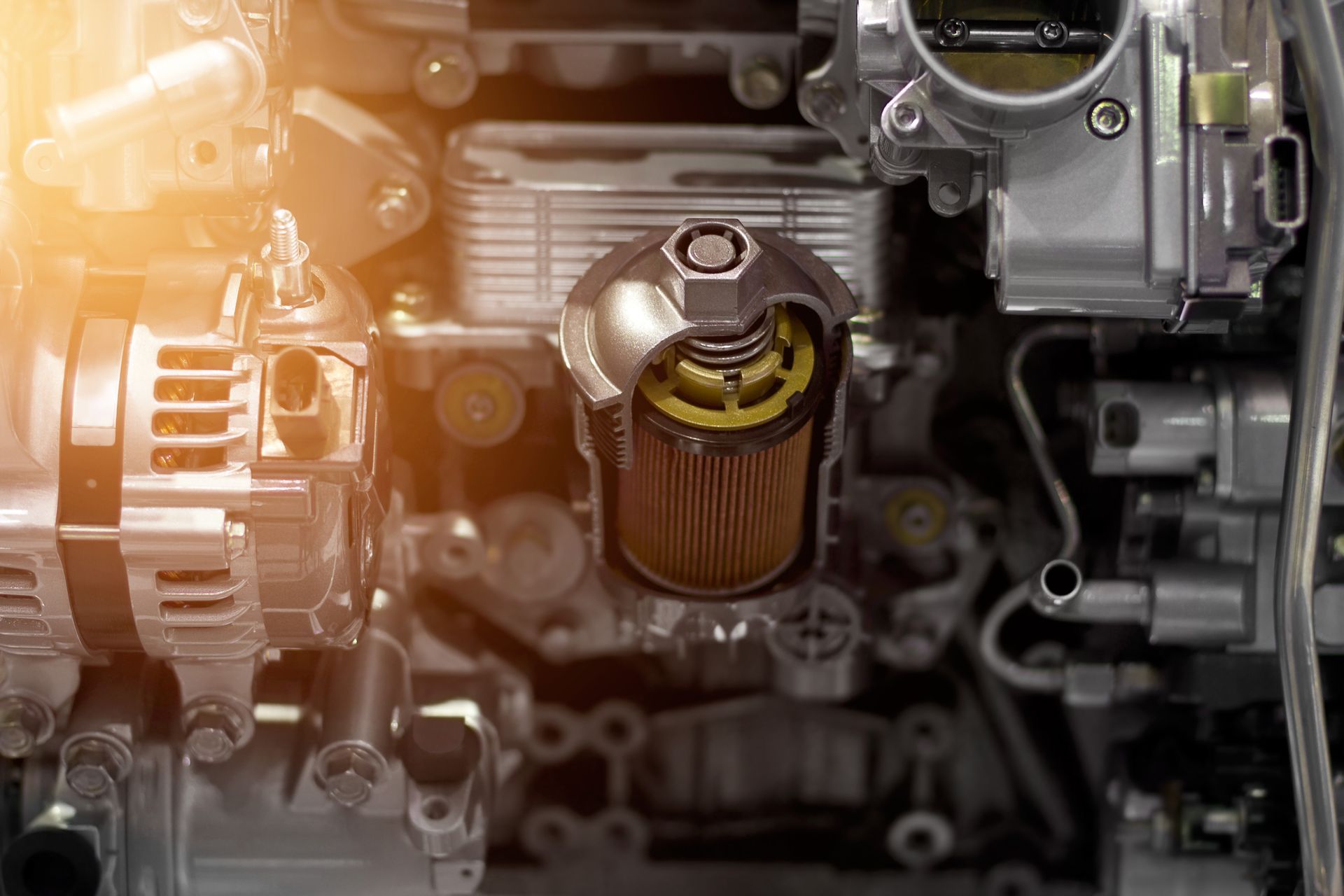
- Oil, fuel, and air filters
- Belts and hoses
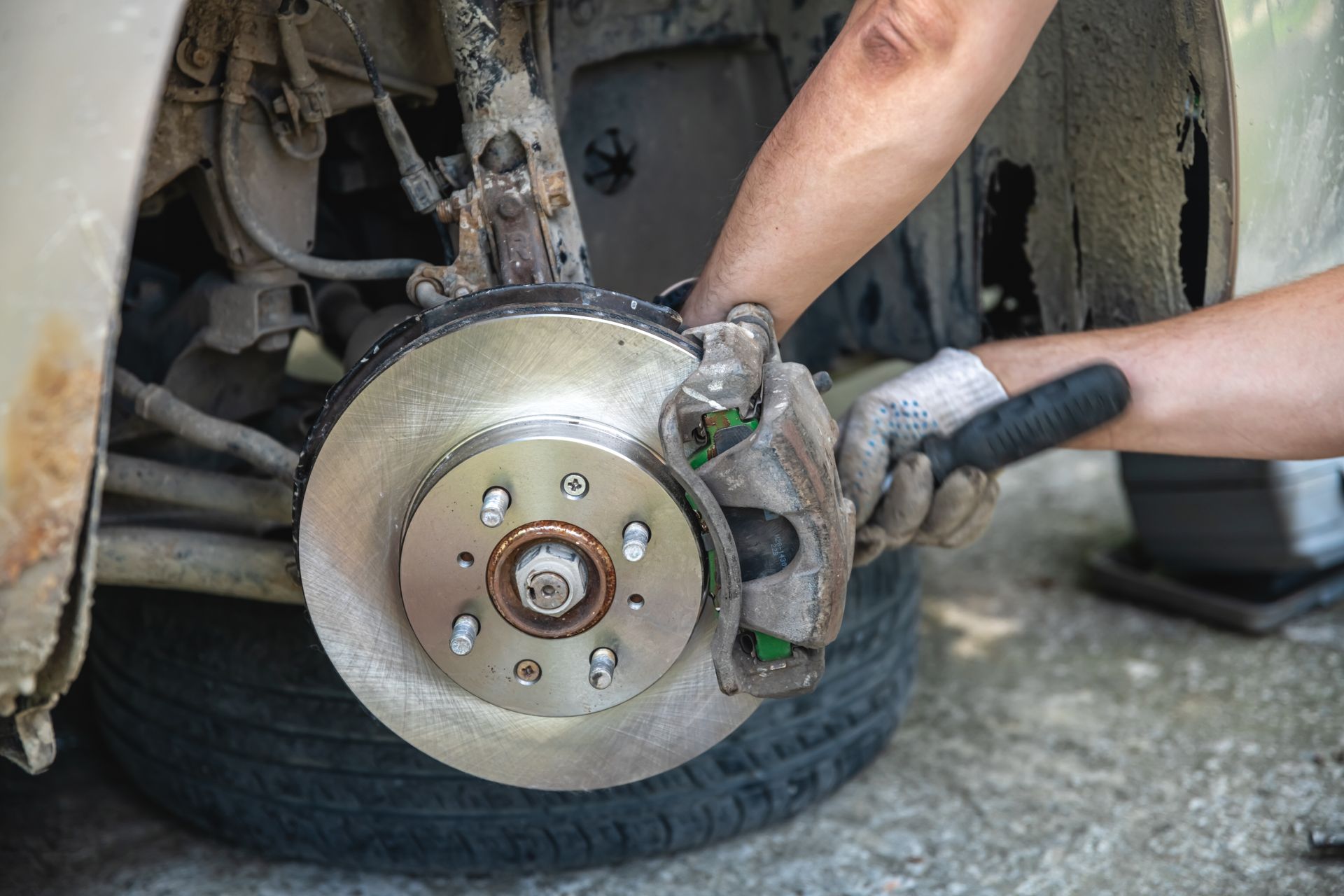
- Brake components
- Fuses, bulbs, and electrical connectors
- Seals and gaskets
- Cooling system components
- Suspension components
- Common fluids and lubricants
Fleet operators can compare upcoming maintenance schedules against current inventory. If several trucks are approaching similar service intervals, parts can be ordered ahead of time instead of waiting until each vehicle enters the shop.
Identify Critical Spare Parts
Frequently used components aren't the only parts worth stocking. Some less commonly replaced items deserve shelf space because their absence could keep a truck out of service.
Consider both the likelihood of a component needing replacement and the consequences if it isn't available. A part that can be sourced quickly may not require the same inventory level as one with a longer lead time.
Ask a few practical questions: How frequently has this part been needed? How quickly can it be sourced? Would a truck remain out of service without it? Do several vehicles use the same component?
These answers can help separate genuinely critical spares from parts that can reasonably be ordered when needed.
Establish Minimum and Maximum Stock Levels
Once you've identified essential components, establish minimum and maximum quantities for each item.
The minimum quantity can serve as a reorder point. When inventory reaches that threshold, another order is placed before the remaining supply is exhausted. Maximum levels help prevent unnecessary overstocking.
These quantities should be reviewed periodically. Adding new trucks, retiring equipment, changing routes, or adjusting maintenance schedules can all affect demand.
Higher-priority components may require closer monitoring, while inexpensive supplies used frequently across the fleet can often be stocked in larger quantities.
Rotate Inventory and Monitor Slow-Moving Parts
A full parts room isn't necessarily an efficient one. Components that sit unused for long periods consume space and may eventually become obsolete as fleet equipment changes.
Clearly label shelves, bins, and part numbers so technicians can locate components quickly. Keep records of when inventory is received and issued, and use older applicable inventory before newer stock when appropriate.
Regular physical counts can also identify discrepancies between inventory records and what's actually on the shelf.
Pay attention to slow-moving components. If a part hasn't been used for an extended period, determine whether it still needs to be stocked at the same level. Adjusting reorder quantities can prevent unnecessary accumulation.
Balance Cost, Quality, and Availability
Purchase price shouldn't be the only consideration when sourcing truck parts. Compatibility, durability, availability, warranty coverage, specifications, and delivery times can all influence the overall value of a component.
Legacy Truck Parts offers OEM and quality aftermarket truck and trailer parts across categories such as air brake and wheel, cooling, electrical, exhaust, HVAC, lighting, powertrain, steering, suspension, and trailer components.
Rather than treating OEM or aftermarket components as universally better, fleet operators can evaluate individual parts according to their application, specifications, quality, and operational requirements.
Build a Relationship With a Reliable Parts Supplier
Even a well-stocked fleet can't realistically keep every potential replacement component on hand. That's why a reliable supplier is an important part of an inventory strategy.
Organized vehicle information can make sourcing more efficient. Keep records of vehicle specifications, commonly ordered components, and frequently used part numbers so staff can provide accurate information when ordering.
A dependable supplier can also help fleets replenish commonly used inventory and locate less frequently stocked components when unexpected repairs occur.
Keep Your Fleet Prepared
Effective inventory management isn't about keeping every possible truck component on the shelf. It's about having the parts most important to your operation readily available while maintaining reliable sourcing options for everything else.
By reviewing maintenance history, stocking routine and critical components, establishing reorder levels, monitoring inventory movement, and working with a dependable supplier, fleet operators can support faster repairs and more predictable maintenance.
Legacy Truck Parts provides
truck and trailer components for fleet operators in Las Vegas and the surrounding region, with an additional location in Kingman, Arizona. A thoughtful inventory strategy combined with dependable parts sourcing can help fleets stay prepared for both scheduled maintenance and unexpected repairs.