Regular Maintenance Myths: Debunking Common Trucking Misconceptions
Keeping your truck on the road and running smoothly is no small feat. Yet, in the world of trucking, misinformation about maintenance is everywhere. From how often you need an oil change to the debate over aftermarket versus OEM parts, separating fact from fiction is crucial for truck owners and operators. Here, we’ll address some of the most persistent myths and provide expert-backed insights to help you make the best choices for your rig.
Myth #1: Oil Changes Should Happen Every 3,000 Miles—No Exceptions
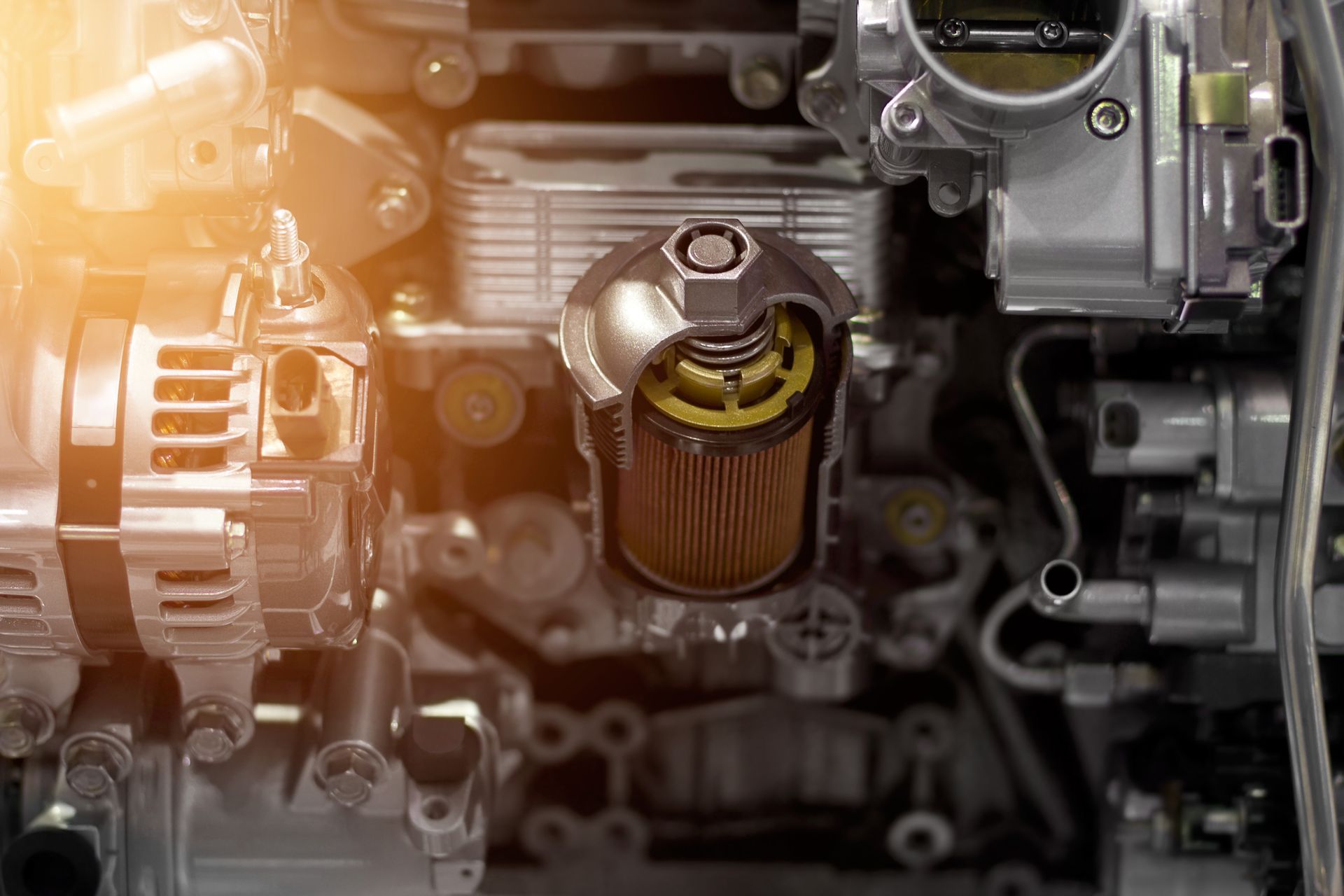
The classic 3,000-mile oil change rule has become trucking gospel for some, but the truth is more nuanced. Modern engine technology and high-quality oils have extended oil change intervals for many trucks. Depending on your truck’s make, model, engine type, and operational conditions, oil change intervals can range from 10,000 to even 25,000 miles for certain synthetic oils.
Fleet managers can safely extend oil change intervals when using premium synthetic oils and adhering to manufacturer recommendations. Always consult your truck’s owner’s manual and consider factors like heavy hauling or extreme temperatures, which may necessitate more frequent changes.
Myth #2: Brake Checks Are Only Necessary When You Notice a Problem
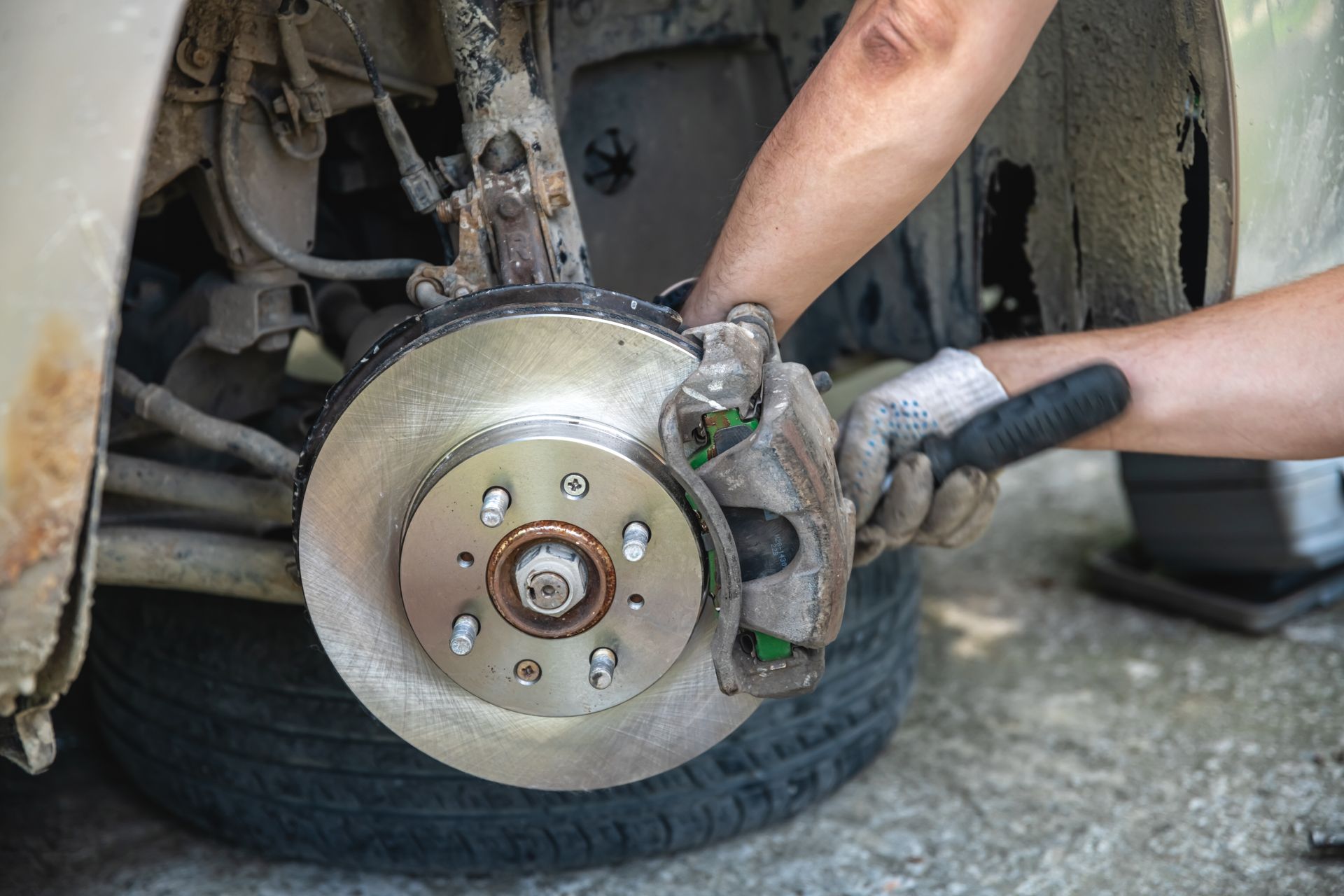
Waiting until you hear a squeal or feel vibration before checking your brakes can be a costly mistake. Regular brake inspections are a cornerstone of preventive maintenance and critical for safety. Routine brake inspections are not only recommended—they’re required for commercial vehicles.
Professional mechanics advise checking brake pads, rotors, and lines at every service interval, not just when symptoms appear. Proactive brake checks can prevent roadside breakdowns and ensure compliance with DOT regulations, which is essential for any fleet or owner-operator.
For those looking to maintain their own trucks, Legacy’s air brake parts catalog features high-quality components engineered for longevity and safety.
Myth #3: Aftermarket Parts Are Inferior to OEM Parts
There’s a long-standing myth that aftermarket parts are always a step down from OEM (original equipment manufacturer) components. In reality, reputable aftermarket parts suppliers often meet or exceed OEM standards. The key is sourcing from a trusted provider, like Legacy Truck Parts, which partners with manufacturers known for rigorous quality control.
The majority of aftermarket parts are produced to the same specifications as OEM parts, with many suppliers also manufacturing for OEMs. The aftermarket also allows for innovation—sometimes resulting in improved durability or performance compared to factory originals.
Myth #4: All Maintenance Tasks Can Be Handled In-House
While hands-on truck owners can handle many routine tasks, some maintenance jobs demand specialized knowledge and equipment. For example, diagnosing electrical issues, advanced engine troubleshooting, or performing precision alignments are best left to certified professionals. Attempting complex repairs without proper training can lead to larger problems down the road.
Fleets leveraging a mix of in-house and professional maintenance usually enjoy lower downtime and longer vehicle lifespans. Building a relationship with a trusted service partner ensures your truck receives expert care when it matters most.
Myth #5: Maintenance Schedules Are One-Size-Fits-All
Every truck is unique, and so are its maintenance needs. Factors such as vehicle age, usage patterns, environment, and load weights all influence how often parts should be serviced or replaced. Adhering strictly to a generic schedule can leave critical components overlooked.
Consulting your manufacturer’s guidelines and keeping detailed service records is the best approach. You can also reach out to the team at Legacy Truck Parts for personalized maintenance advice or support in sourcing the right parts for your situation.
Promoting Best Practices and Reliable Information
Staying informed and basing your maintenance routine on facts—not myths—pays dividends in truck reliability, safety, and cost efficiency. Trustworthy sources, regular maintenance, and high-quality parts are your best allies on the road.
If you have questions about your truck’s maintenance needs or want to explore reliable parts, contact Legacy Truck Parts or browse our comprehensive parts catalog for expert support.