Essential Guide to Truck Electrical Systems and Common Faults
Understanding the intricacies of truck electrical systems is crucial for maintaining the longevity and efficiency of these robust vehicles. The electrical system is the backbone that powers all electronic components, from the ignition system to the lights and dashboard electronics. This guide will explore the key components of truck electrical systems, their functions, and common faults that can arise. By comprehending how these systems work together, truck owners and operators can better troubleshoot minor issues and ensure their vehicles remain in optimal condition.
Key Components of Truck Electrical Systems
Batteries
The battery is the heart of a truck's electrical system, providing the initial power needed to start the engine and supplying energy to electrical components when the engine is off. Most trucks use lead-acid batteries due to their reliability and efficiency. Batteries store electrical energy in chemical form and release it as needed to power various systems within the truck.
To ensure a battery remains in good working condition, regular maintenance is essential. This includes checking for corrosion on the terminals, ensuring a secure connection, and testing the battery's voltage. A healthy truck battery typically measures around 12.6 volts when fully charged. If the voltage drops below this level, it may indicate a weakened battery that requires attention.
Alternators
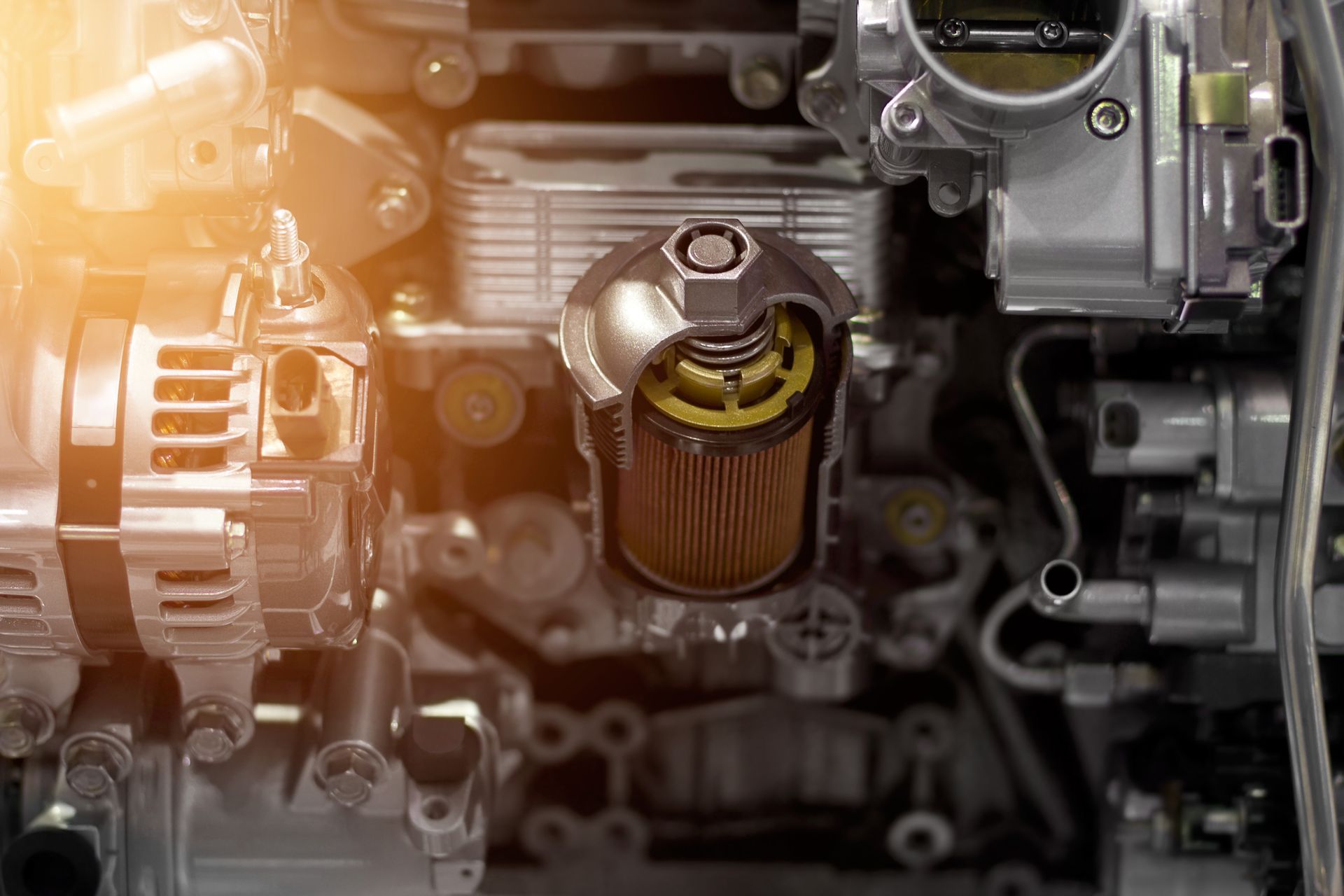
The alternator is responsible for recharging the battery while the engine is running and providing power to the truck’s electrical systems. It converts mechanical energy from the engine into electrical energy through a process called electromagnetic induction. The alternator ensures that the battery remains charged and that all electrical components receive a steady power supply.
Signs of a failing alternator include dimming headlights, a dead battery, or warning lights on the dashboard. Regular inspection of the alternator, including its belts and connections, can prevent breakdowns and extend the alternator’s lifespan. It's important to ensure that the alternator is generating the correct voltage, typically between 13.5 and 14.5 volts, to maintain battery health and electrical system performance.
Starters
The starter motor initiates the engine’s operation by turning the crankshaft, allowing the engine to begin its internal combustion process. When the ignition key is turned, the starter motor receives electrical current from the battery, enabling it to crank the engine. A malfunctioning starter can prevent the engine from starting, leaving the truck inoperable.
Common symptoms of starter issues include a clicking noise when turning the ignition key, a slow or weak engine crank, or no response at all. Regular testing and maintenance of the starter motor, including checking electrical connections and ensuring enough power is reaching the starter, can help avoid unexpected failures.
How Truck Electrical Systems Work Together
The interplay between the battery, alternator, and starter is vital for the smooth operation of a truck’s electrical system. When the ignition key is turned, the battery provides power to the starter motor, which, in turn, cranks the engine. Once the engine is running, the alternator takes over, supplying power to the electrical systems and recharging the battery.
This continuous cycle ensures that the truck’s electrical components, such as lights, air conditioning, and infotainment systems, receive a constant power supply. Any disruption in this cycle can lead to electrical failures, affecting the truck’s performance and reliability. Regular maintenance and prompt attention to any warning signs can help keep the electrical system functioning seamlessly.
Common Faults in Truck Electrical Systems
Battery Failures
Battery failures are among the most common issues in truck electrical systems. Factors such as extreme temperatures, age, and lack of maintenance can contribute to battery deterioration. Corroded terminals, loose connections, and low electrolyte levels are also common culprits behind battery-related problems.
To troubleshoot battery issues, start by inspecting the battery terminals for corrosion and ensuring they are tightly connected. Testing the battery voltage with a multimeter can provide insights into its health. If the battery is not holding a charge, it may need to be replaced. Regular maintenance, such as cleaning terminals and checking electrolyte levels, can extend the battery’s life and prevent failures.
Alternator Problems
Alternator problems can lead to a range of electrical issues, from dimming lights to a dead battery. A failing alternator may not provide enough power to recharge the battery or run electrical systems, leading to gradual battery drain and eventual breakdown. Common causes of alternator failure include worn-out bearings, damaged wires, or a faulty voltage regulator.
To diagnose alternator issues, check for warning lights on the dashboard, unusual noises, or fluctuations in electrical performance. Testing the alternator’s output voltage can help determine if it’s functioning correctly. Replacing worn-out belts, ensuring proper connection, and regular inspection can prevent alternator-related problems and maintain electrical system health.
Starter Motor Issues
Starter motor issues can prevent the engine from cranking, leaving the truck immobile. Common causes of starter problems include a faulty solenoid, worn-out gears, or electrical connection issues. Symptoms of starter motor failure include a clicking noise when turning the key, slow cranking, or complete non-responsiveness.
To address starter motor issues, start by checking the battery to ensure it has enough charge. Inspect the starter connections for any signs of corrosion or damage. Testing the solenoid and motor can help pinpoint the problem. Replacing worn-out components and ensuring a clean, secure connection can resolve starter-related issues and restore engine functionality.
Short Circuits
Short circuits occur when an unintended path allows electricity to flow, bypassing the designated circuit. This can lead to blown fuses, malfunctioning components, or even electrical fires. Short circuits often result from damaged wires, faulty insulation, or moisture exposure.
To troubleshoot short circuits, inspect the wiring for any visible damage or wear. Use a multimeter to test for continuity and identify any unexpected electrical paths. Replacing damaged wires, securing loose connections, and protecting wiring from moisture can prevent short circuits and ensure safe electrical operation.
Fuse and Relay Problems
Fuses and relays play a crucial role in protecting the truck’s electrical system from overload and short circuits. A blown fuse or faulty relay can cause specific electrical components to stop working, leading to various issues. Common causes of fuse and relay problems include electrical surges, aging components, or faulty wiring.
To identify fuse and relay issues, check the truck’s fuse box for any blown fuses. Replace any faulty fuses with ones of the correct rating. Testing relays with a multimeter can help determine if they are functioning properly. Ensuring the fuse box is free from moisture and debris can prevent future problems and maintain electrical system integrity.
Maintaining a truck’s electrical system is essential for its reliable operation and overall longevity. By understanding the key components and how they work together, truck owners and operators can better troubleshoot common faults and perform necessary maintenance. Regular inspections, timely replacements, and proper care can prevent many electrical issues, keeping the truck in optimal condition and reducing the risk of unexpected breakdowns.
Struggling with your truck’s electrical system? Look no further! Our expert team specializes in diagnosing and repairing all aspects of truck electrical systems, ensuring your vehicle stays in top condition. From battery checks to complete electrical overhauls, we've got you covered. Don’t let electrical issues slow you down.
Contact us today to schedule your appointment and keep your truck running smoothly!