The Importance of Quality Filters in Truck Maintenance
Commercial trucks operate under demanding conditions, making regular maintenance essential for performance and reliability. Whether traveling long distances or handling frequent deliveries, these vehicles depend on clean fluids and proper airflow to function efficiently.
One of the simplest ways to protect a commercial truck is by using quality replacement filters. Oil, air, fuel, and cabin air filters each play an important role in preventing contaminants from affecting critical components.
At Legacy Truck Parts, we understand the importance of dependable replacement parts. Choosing compatible filters and replacing them when needed can help reduce wear, maintain performance, and prevent costly maintenance problems.
Why Are Quality Filters Important for Commercial Trucks?
Commercial trucks encounter dirt, dust, debris, and other contaminants during everyday operation. Without proper filtration, these materials can enter sensitive systems and interfere with performance.
Quality filters remove unwanted particles before they damage components. They also support proper airflow, lubrication, and fuel delivery. Using filters designed for your truck's specifications can help extend component lifespan, maintain efficiency, and reduce unexpected repairs.
However, selecting compatible filters is essential. An incorrectly sized or unsuitable filter may restrict flow or fail to provide adequate protection.
Oil Filters Protect Critical Engine Components
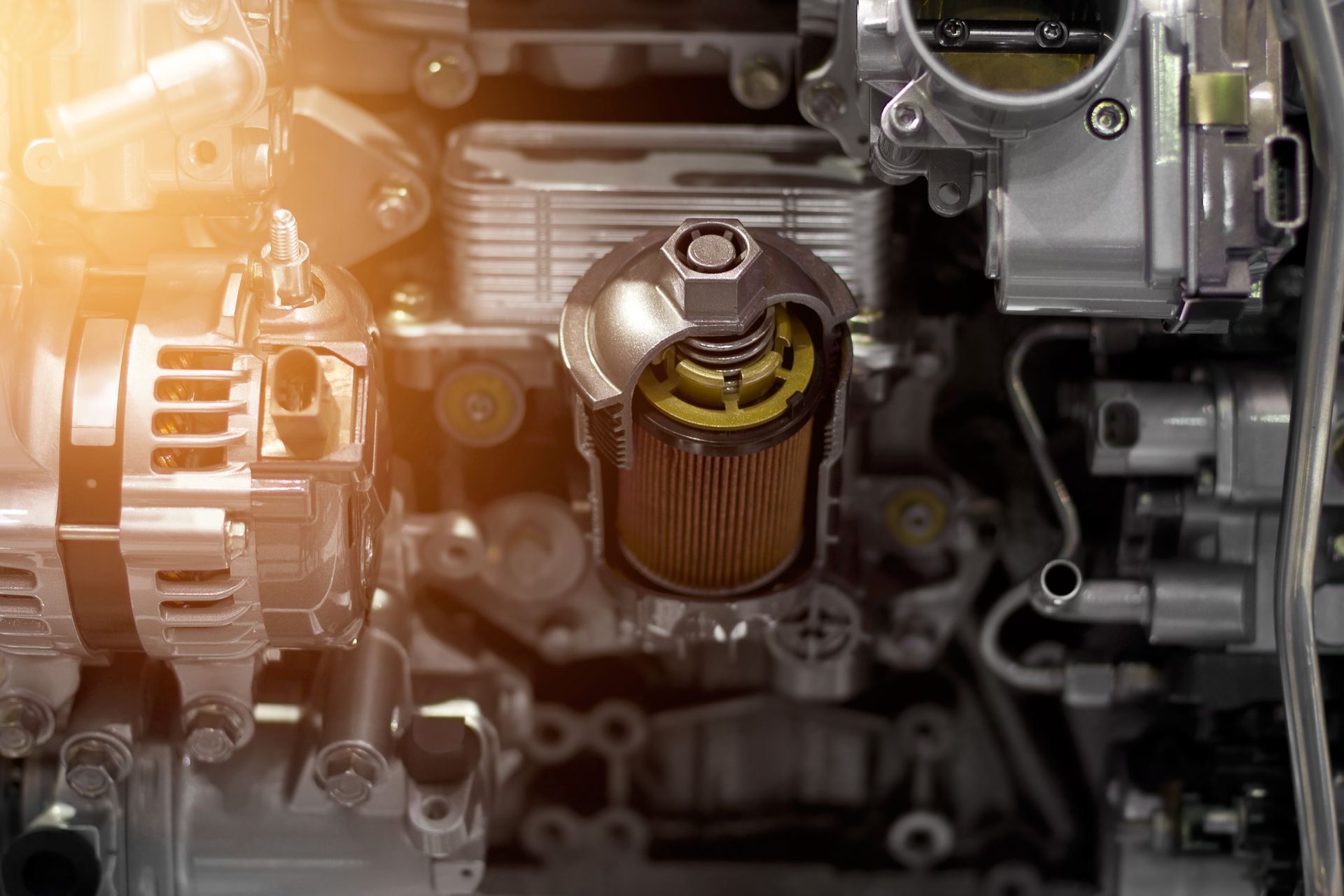
Engine oil lubricates moving parts, reduces friction, and helps control heat. As oil circulates, it collects dirt, metal particles, and other contaminants. Oil filters capture these particles before they continue circulating through sensitive engine components.
A clogged or worn filter may affect lubrication and contribute to increased engine wear. Warning signs can include unusual engine noises or oil pressure alerts, although these symptoms may have other causes.
Oil filters should generally be replaced during scheduled oil changes according to manufacturer recommendations. Choosing the correct replacement filter helps maintain proper oil circulation and protects internal engine components from unnecessary damage.
Engine Air Filters Support Performance
Commercial truck engines require clean air for efficient combustion. Engine air filters prevent dust, dirt, and debris from entering the intake system. When an air filter becomes clogged, restricted airflow can affect engine performance and fuel efficiency.
Drivers may notice reduced acceleration, decreased power, or increased fuel consumption. However, these symptoms can also indicate other mechanical issues. Trucks operating around construction sites, agricultural areas, or dusty roads may need more frequent air filter inspections.
Regular inspections and timely replacements help maintain consistent airflow while protecting internal engine components.
Fuel Filters Protect Diesel Fuel Systems
Fuel filters remove dirt, rust particles, and other contaminants before diesel fuel reaches sensitive engine components.
Modern diesel engines rely on precise fuel injection systems that require clean fuel for dependable operation. Contaminants can contribute to injector wear and interfere with fuel delivery.
Some commercial truck fuel filtration systems also include water separators that remove moisture from diesel fuel. Common signs of a restricted fuel filter include difficult starting, hesitation, reduced power, or inconsistent performance under load.
Following recommended replacement intervals helps protect fuel pumps, injectors, and other important components.
Cabin Air Filters Improve Driver Comfort
Cabin air filters help maintain a cleaner environment inside the truck by capturing dust, pollen, and airborne debris entering through the HVAC system. Over time, accumulated contaminants can restrict airflow and reduce heating or air conditioning performance. Drivers may notice weak airflow, lingering odors, or increased dust inside the cabin.
Replacing clogged cabin air filters helps restore airflow and supports a more comfortable driving environment, particularly for drivers spending long hours behind the wheel.
How Driving Conditions Affect Filter Lifespan
Filter replacement schedules vary depending on operating conditions, vehicle specifications, and maintenance requirements. Long-haul trucks traveling primarily on paved highways may experience different filtration demands than vehicles operating at construction sites or making frequent deliveries.
Several factors can influence filter lifespan:
- Dusty environments: Increase debris entering air filtration systems.
- Frequent idling: Adds engine operating hours without increasing mileage.
- Stop-and-go driving: Creates additional operating demands.
- Extreme temperatures: Can affect engine fluids and supporting systems.
Fleet managers should consider these conditions when establishing preventive maintenance schedules.
When Should Truck Filters Be Replaced?
The best replacement schedule depends on manufacturer recommendations, filter type, engine specifications, and operating conditions.
Oil and fuel filters typically follow scheduled maintenance intervals. Engine air filters may require inspections based on restriction indicators, while cabin air filters should be checked for accumulated debris.
Maintaining accurate service records helps fleet managers monitor replacement intervals and identify potential problems. Replacing filters when necessary helps prevent unnecessary wear while avoiding excessive maintenance.
Choosing Compatible Replacement Filters
Selecting the correct replacement filter involves more than finding one that physically fits. Filters must meet requirements for filtration efficiency, flow capacity, dimensions, and sealing performance.
Checking the truck's make, model, engine, and recommended part numbers helps ensure compatibility. Working with a knowledgeable parts supplier can simplify the process of identifying suitable replacement components.
Keep Your Commercial Truck Running Reliably
Quality filters are essential for protecting commercial truck engines, fuel systems, and other important components. Regular inspections and timely replacements support performance while reducing the risk of unexpected maintenance issues.
At Legacy Truck Parts, we understand the importance of reliable commercial truck components. Whether maintaining one vehicle or managing a fleet, choosing compatible replacement parts helps support long-term performance.
Explore Legacy Truck Parts to find dependable components for your commercial truck maintenance needs.