Preparing Your Truck for Winter Driving: Essential Upgrades and Tips
As temperatures plummet and the roads become slick with ice and snow, winter driving presents unique challenges for truck owners and operators. The importance of preparing your truck for these harsh conditions cannot be overstated—proper winterization not only protects your vehicle but also ensures the safety of everyone on the road. At Legacy Truck Parts, we understand that your truck is more than just a vehicle; it’s your livelihood. That’s why we’ve compiled this comprehensive guide to essential upgrades, maintenance tasks, and best practices for winter driving.
Understanding the Impact of Winter on Trucks
Winter weather can wreak havoc on even the most robust trucks. Cold temperatures affect engine performance, battery life, and fluid viscosity, while snow and ice increase the risk of accidents. 24% of weather-related vehicle crashes occur on snowy, slushy, or icy pavement, and 15% happen during snowfall or sleet. With these statistics in mind, taking proactive steps to winterize your truck isn’t just a precaution—it’s a necessity.
Upgrading Tires and Using Tire Chains for Maximum Traction
One of the most critical aspects of winter preparation is ensuring your truck has the right tires. All-season tires may suffice in regions with mild winters, but in areas prone to heavy snow and ice, dedicated winter tires are indispensable. Winter tires are engineered with specialized tread patterns and rubber compounds that remain flexible in low temperatures, offering superior grip.
In particularly treacherous conditions, tire chains can be a game changer. They provide additional traction, improving your truck’s ability to maneuver through deep snow and over icy surfaces. Make sure you’re familiar with your state’s regulations on tire chain usage, as requirements vary.
Ensuring Reliable Starting with Engine Block Heaters
Cold weather makes it harder for engines to turn over, especially diesel engines, which require higher temperatures to ignite fuel efficiently. An engine block heater is a simple yet highly effective solution. By pre-warming your engine coolant or oil, a block heater reduces wear and tear on your engine, shortens warm-up times, and improves fuel efficiency during cold starts. This upgrade is especially valuable for trucks that operate in subzero temperatures or sit idle for extended periods.
Protecting Your Cooling System with Antifreeze Solutions
Antifreeze, or coolant, is vital for maintaining proper engine temperature and preventing freezing in extreme cold. It also helps prevent corrosion and scale build-up inside your engine’s cooling system. Always use the manufacturer-recommended coolant and check the mixture ratio—it should typically be a 50/50 blend of antifreeze and distilled water for optimum freeze and boil-over protection.
Regularly inspect your truck’s coolant level and look for any leaks or signs of contamination. Replacing old coolant before winter can save you from costly repairs caused by frozen or cracked components. For more information on maintaining your truck’s coolant system, visit our Cooling System Parts page.
Additional Winterization Best Practices
While tire chains, engine block heaters, and antifreeze are essential, comprehensive winter preparation involves more than just upgrades. Here are several best practices to keep your truck running smoothly all winter long:
Battery Health and Electrical System Maintenance
Cold weather significantly reduces battery capacity. In fact, at 0°F, a battery can lose about 60% of its strength while the engine requires twice as much power to start. Before winter sets in, test your battery, clean the terminals, and ensure the charging system is functioning properly. Replace weak batteries to avoid unexpected breakdowns.
Inspecting and Replacing Wiper Blades
Visibility is paramount in winter conditions. Install heavy-duty winter wiper blades and fill your reservoir with low-temperature washer fluid to prevent freezing. Inspect your windshield for chips or cracks—cold weather can cause existing damage to worsen.
Lubrication and Fuel System Care
Use winter-grade oils and lubricants as recommended by your truck’s manufacturer. Diesel truck owners should also use anti-gel additives to prevent fuel from thickening or gelling in low temperatures, which can clog fuel lines and filters.
Keeping Emergency Supplies Onboard
Even the best-prepared trucks can encounter unexpected challenges. Equip your vehicle with emergency essentials such as blankets, food, water, a flashlight, extra clothing, and a first-aid kit. Having jumper cables, a snow shovel, and traction mats can be invaluable if you find yourself stuck or stranded.
Staying Ahead with Preventive Maintenance
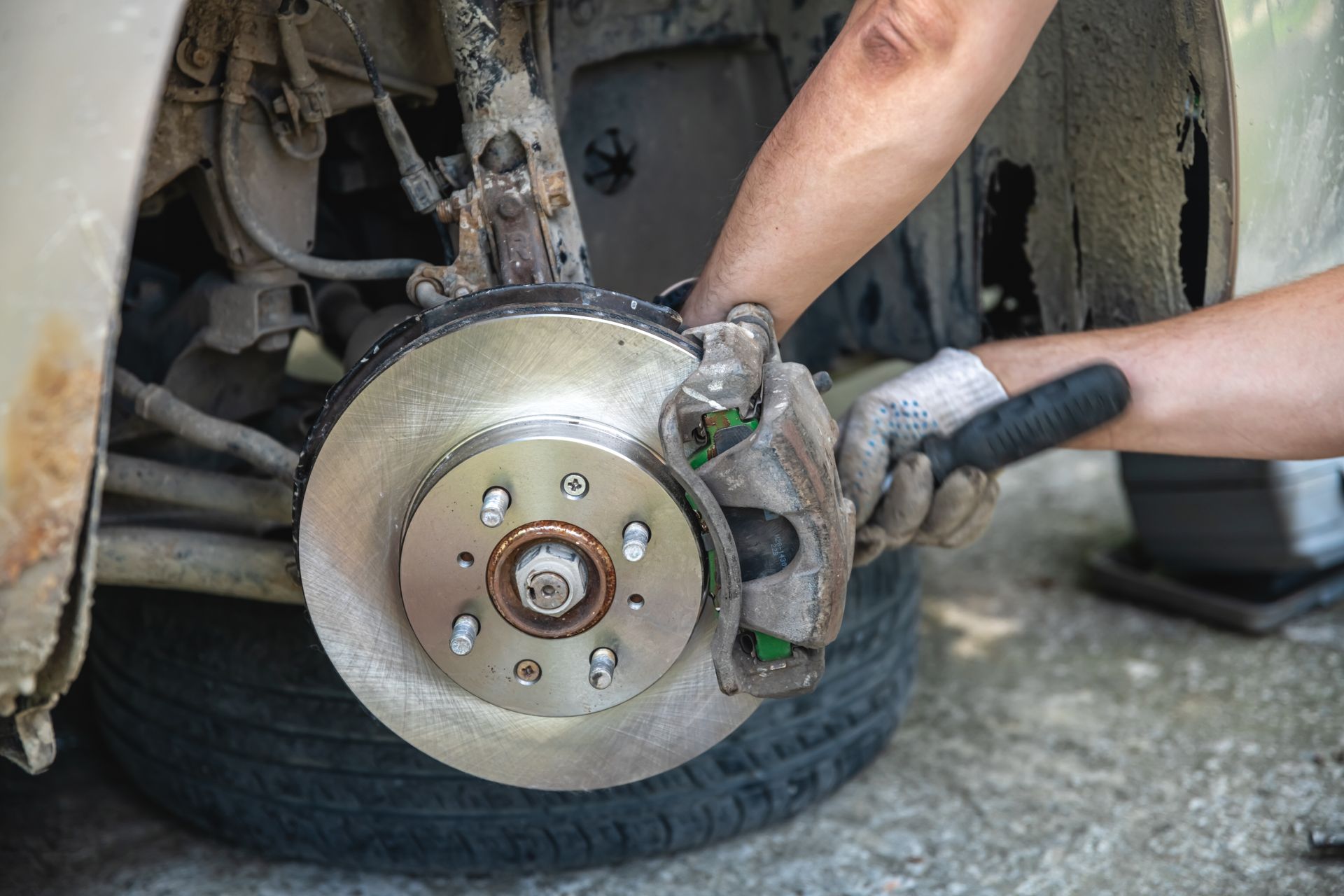
Routine maintenance is the backbone of winter readiness. Schedule a thorough inspection before the season begins, focusing on brakes, lights, heating and defrosting systems, and all fluid levels. Address any issues promptly to minimize the risk of breakdowns during the coldest months.
For a full selection of winter-ready parts and accessories, explore our extensive catalog. Our team is always available to answer your questions and help you choose the right products for your truck.
Winter Driving: A Matter of Preparation and Safety
Preparing your truck for winter is about more than compliance and comfort—it’s about ensuring your safety, protecting your investment, and keeping your operations on track. By focusing on essential upgrades and following proven best practices, you can tackle winter roads with confidence and peace of mind.
For more expert tips and high-quality truck parts, trust Legacy Truck Parts as your partner in every season. Stay safe, stay prepared, and keep rolling—no matter what winter brings.